
The direct answer
Start with the rule set, then connect stance, first contact and one reliable finish.
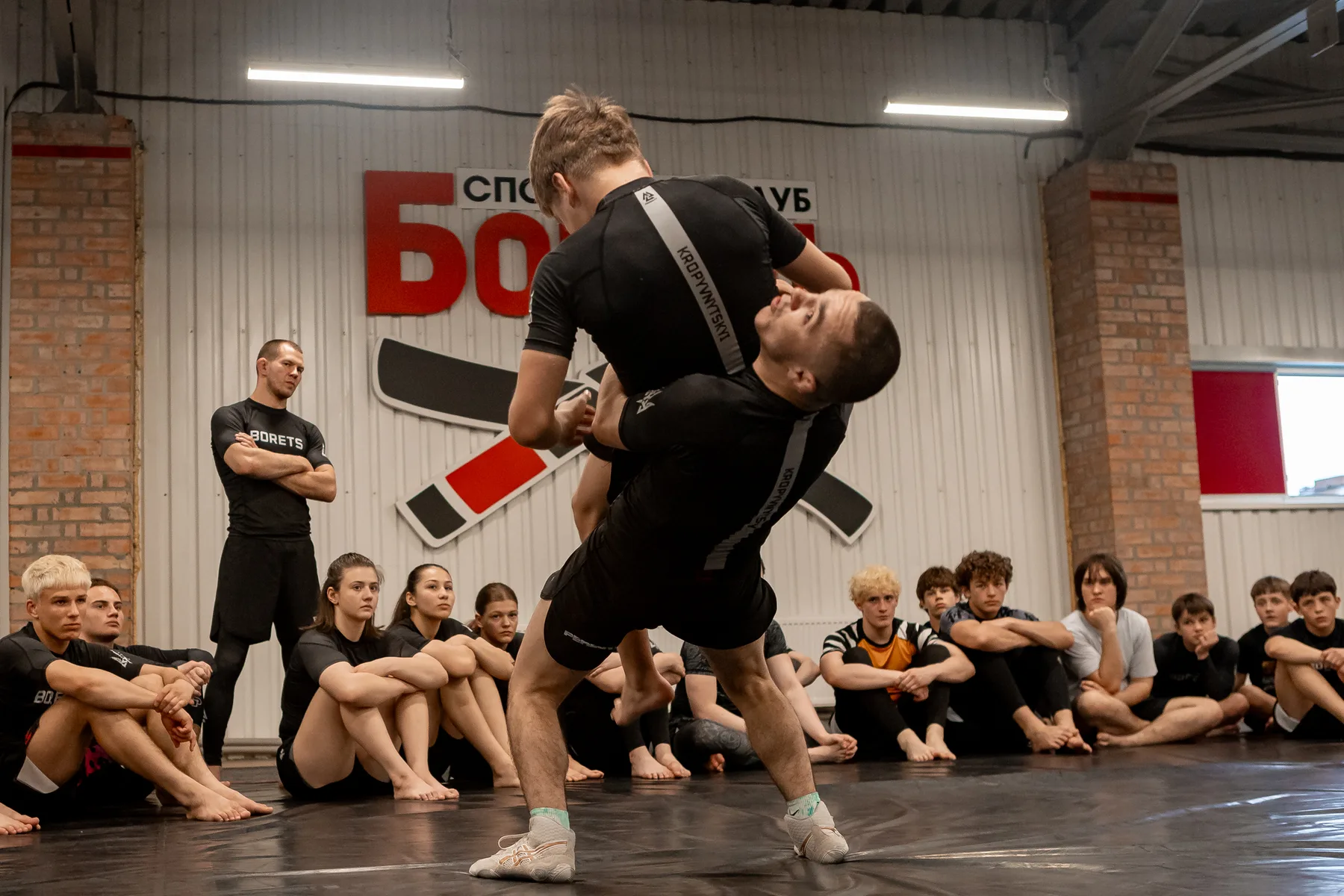
A girl beginning wrestling needs the same essentials as any new athlete—qualified coaching, a safe room, clear rules, progressive contact and enough time to learn—but the program should explicitly support girls rather than treating them as an afterthought. First identify the active ruleset. U.S. girls may encounter women’s freestyle, school-specific competition structures or club formats, so the coach must explain which rules apply. The first training block should prioritize stance, movement, safe falling, level change, first contact, one takedown entry, one defense, one ground objective and the ability to stop or reset safely. Partner matching should consider size, experience, intensity and trust, not gender alone. Equipment, hygiene, conduct, reporting pathways and privacy should be explained before live work. Progress is not only winning: attendance, position recognition, technical control, communication and willingness to try again are meaningful. Competition can be valuable when the athlete understands the rules and the coaching team believes the environment is appropriate; it is not a deadline that should rush skill or confidence.
01
What to understand
Choose the room before the style
Look for qualified coaches, visible safety standards, age-appropriate instruction, clean mats, clear conduct rules and a real process for raising concerns. Ask how beginners are introduced to contact and how partners are matched. A prestigious name does not compensate for a room where questions or boundaries are dismissed.
Build one complete scoring pathway
Connect stance and motion to first contact, one reliable entry, controlled finish and the correct next phase under the active rules. Add one defense and reset. A complete small pathway gives the beginner a map during live wrestling; isolated moves disappear when the partner reacts.
Make communication a wrestling skill
Athletes should know how to ask for a slower repetition, report pain or unsafe behaviour, decline a mismatched round and seek a coach. Partners agree on intensity and release signals. A culture that treats this as maturity, not weakness, produces better technical learning and longer participation.
02
How to train it
Weeks 1–2 · movement and safety
Learn mat rules, stance, motion, level change, safe falling, basic tumbling and how to stop. Use games and cooperative partner tasks. Finish each practice with position recognition rather than hard live wrestling. The athlete should leave able to name neutral and ground goals in the active ruleset.
Weeks 3–4 · first scoring chain
Build first contact, one entry and a balanced finish. The defender supplies predictable reactions and learns one legal defense. Add short positional rounds beginning from the setup. Count a repetition only when posture, control and partner safety remain intact.
Weeks 5–6 · decisions and optional competition
Let the defender choose between two reactions, add boundary awareness and use a visible scoreboard. If competition is appropriate, rehearse check-in, equipment, referee commands and recovery between matches. If not, use an in-room match simulation and continue development without treating the absence of competition as failure.
A safe room is the first performance tool.
One complete pathway beats ten disconnected moves.
Partner choice includes size, skill, intensity and trust.
Competition is an option, not a deadline.
03
Common mistakes
Throwing beginners into open live rounds
Without position knowledge and stop skills, open wrestling becomes survival rather than learning. Begin with constrained goals and predictable starts. Expand freedom as the athlete demonstrates control, communication and legal defense.
Assuming all girls need the same pathway
Age, prior sport, confidence, schedule and goals vary. Keep common standards while adjusting pace and challenge. Do not use body type, appearance or stereotypes to predict toughness, style or potential.
Treating discomfort and pain as the same
Learning contact can feel unfamiliar, but pain, injury signs or unsafe conduct should not be normalized. Stop the relevant activity and use the program’s reporting and qualified-care process. A general guide cannot diagnose an individual.
04
Questions athletes ask
01 · Is wrestling suitable for a complete beginner?
Yes, when the program has qualified coaching and a progressive beginner pathway. The athlete does not need to arrive fit or experienced enough to survive advanced practice. Ask how the room teaches safety, fundamentals and partner matching.
02 · Should a girl train only with girls?
Access to girls and women as teammates and role models can matter greatly, but safe partner matching also considers size, experience, intensity and trust. The program should explain its policy and respect athlete and parent or guardian concerns.
03 · When is a beginner ready to compete?
Readiness includes knowing the active rules, responding to referee commands, using safe legal technique, handling basic match procedure and choosing competition voluntarily with coach and family support. There is no universal week or number of practices.
05
Sources and further reading
Training needs vary by athlete, schedule and coaching environment. Use these sources as context, then adapt with qualified support. Educational content for athletes and coaches. This guide does not diagnose injury, replace individualized coaching or override event rules. Stop if an activity causes pain, and use an appropriately qualified coach or healthcare professional for your situation.